


Comparison: Vinyl vs Streaming for New Pop Releases — Which Is Right for You?
A balanced look at how new pop releases compare on vinyl and streaming — sound, cost, convenience and discovery — plus a practical way to decide which suits you.
A new pop single lands on a Friday. Within a minute it's on your phone, in your headphones, queued into a playlist you'll have forgotten by Monday. A few weeks later, a coloured 7-inch arrives in the post, and the same three minutes suddenly feel like an event.
Both ways of listening are good. They're just good at different things. Here's an honest comparison of how vinyl and streaming stack up for new pop releases, so you can put your money and your attention where they'll actually make you happy.
Same Song, Different Object
Streaming hands you the recording as a file: instant, identical every time, playable anywhere you have a signal or a downloaded copy. Vinyl hands you a physical object with physical rules. A side can only hold so much music, so track orders sometimes shift, and a long album spread across two records will usually sound better than one crammed onto a single disc with narrow grooves and a lower playback level.
That difference matters more than the old vinyl-versus-digital argument admits. A pop album prepared for streaming is often pushed loud and consistent, because most services adjust playback volume to a similar level anyway. The vinyl cut is frequently handled by a different engineer, with the bass tightened and the top end treated gently so the stylus can track it cleanly. Neither version is automatically better. They're different masters of the same songs, and some artists supervise both closely while others barely glance at the second one.
Sound: What You'll Actually Hear
On streaming
The quality ceiling is genuinely high. Lossless tiers exist, spatial and immersive mixes are increasingly common on big pop releases, and the catalogue is effectively endless. But your headphones, earbuds or Bluetooth connection shape the sound far more than the bitrate does. A wired pair of decent headphones will tell you more about a mix than paying for a lossless tier you're listening to through a compressed wireless link. Volume normalisation also keeps everything even, which is convenient but tends to flatten the loud-and-quiet drama a producer might have built in.
On vinyl
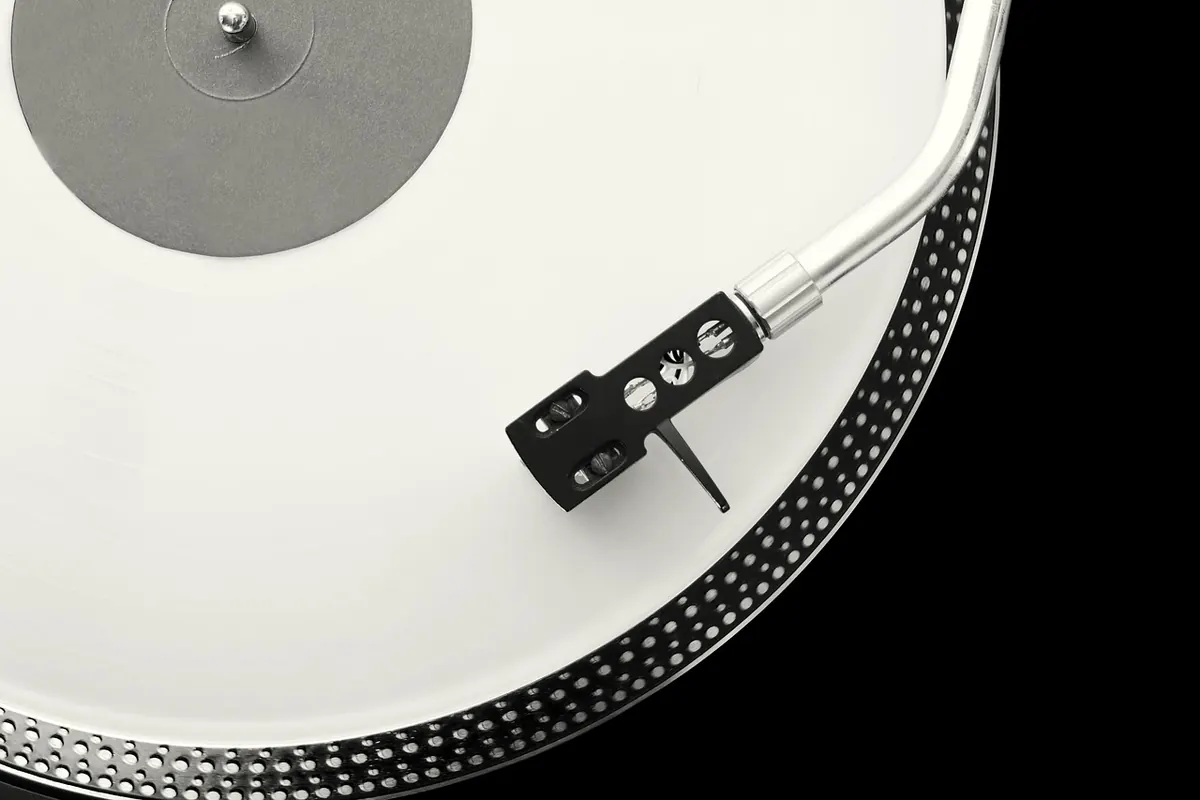
Vinyl has a sound of its own: a gentle roll-off at the top, a little surface noise, and a sense of body in the low end that many listeners find satisfying. Some of that comes from the mastering, some from the turntable. A cheap deck with a worn stylus will hum, skip and hiss; a well-set-up one with a decent cartridge can sound genuinely lovely. Pressing quality varies too. Off-centre copies, warped discs and noisy pressings turn up even on major releases, so buy from a retailer with a sensible returns policy and keep your receipt.
To compare properly, play the same track on both, on the same headphones, at the same volume. Listen to the bass line and to the singer's consonants. If you can't hear a meaningful difference, that's useful information — you've just saved yourself a lot of money.
Cost: Where the Money Goes
Streaming is a subscription; vinyl is a purchase, and the two behave completely differently over a year.
- Streaming: one monthly fee covers everything, with no shipping, no shelf space and no damage in transit. You own nothing, albums can disappear when licensing changes, and there's no resale value.
- Vinyl: a higher price per album, plus postage, sleeves, storage and — if you're starting out — a turntable, cartridge and cleaning brush. Styli wear out and need replacing.
- The variant trap: multiple colourways of the same record encourage buying an album two or three times. Decide in advance whether you actually want that.
- Resale: records hold some value, sometimes more than you paid. Playlists don't. Treat that as a bonus rather than an investment plan.
A simple rule before you start collecting: pick a monthly figure you're comfortable with and stick to it. A record that costs more than a month's subscription should be one you'll play more than twice.
Convenience: Everyday Listening
Streaming wins this section without much of a fight. It travels with you on the train, in the gym, in the kitchen and in the car. Downloads cover flights and patchy signal. You can share a song in two taps and skip anything that doesn't land in the first fifteen seconds.
Vinyl asks for your presence. You need to be in the room, you'll flip the record every twenty minutes or so, and you'll clean it now and then. It doesn't travel unless the release includes a download code — many new albums do, but not all, so check before you buy. For some listeners that friction is the whole appeal: you sit down, you listen to a side, you don't touch your phone.
Discovery: How Each Format Shapes What You Find
Streaming is unmatched for finding things. Release Radar and editorial playlists put new pop in front of you the week it lands, autoplay drifts you into adjacent artists, and you can audition a whole album in under an hour and decide whether it's for you.
Vinyl is slower and more social. Record shops recommend things, second-hand racks hide oddities, and physical exclusives often carry B-sides or bonus tracks you can't stream. Liner notes tell you who played bass and who mixed it. You tend to hear full sides rather than individual tracks, which is how a lot of pop is still sequenced to be heard.
The useful move is to let one feed the other. Stream the album first, live with it for a fortnight, and put the records that survive on a wishlist. Buy those on vinyl. You'll end up with a shelf of things you genuinely love instead of a shelf of things you bought on release day.
How to Decide
Three questions usually settle it:
- Where do you listen most? If it's your phone, on the move, streaming should be your backbone. If it's a sofa and a pair of speakers, vinyl earns its place.
- Do you want to own it or just hear it? Owning means vinyl. Hearing means streaming, and there's no shame in that.
- What can you spend in a month without regret? Set that number and let it decide how many records you buy, not how many you wish you had.
Most pop fans end up using both, and that's not a compromise — it's the sensible arrangement. Stream widely, buy selectively. Start with the album you've played most this year and order it on vinyl. Put it on a Saturday afternoon, sleeve in hand, and see how it feels. That will tell you more about which format is right for you than any comparison can.
Photo: andreas160578 / Pixabay